Quick answer
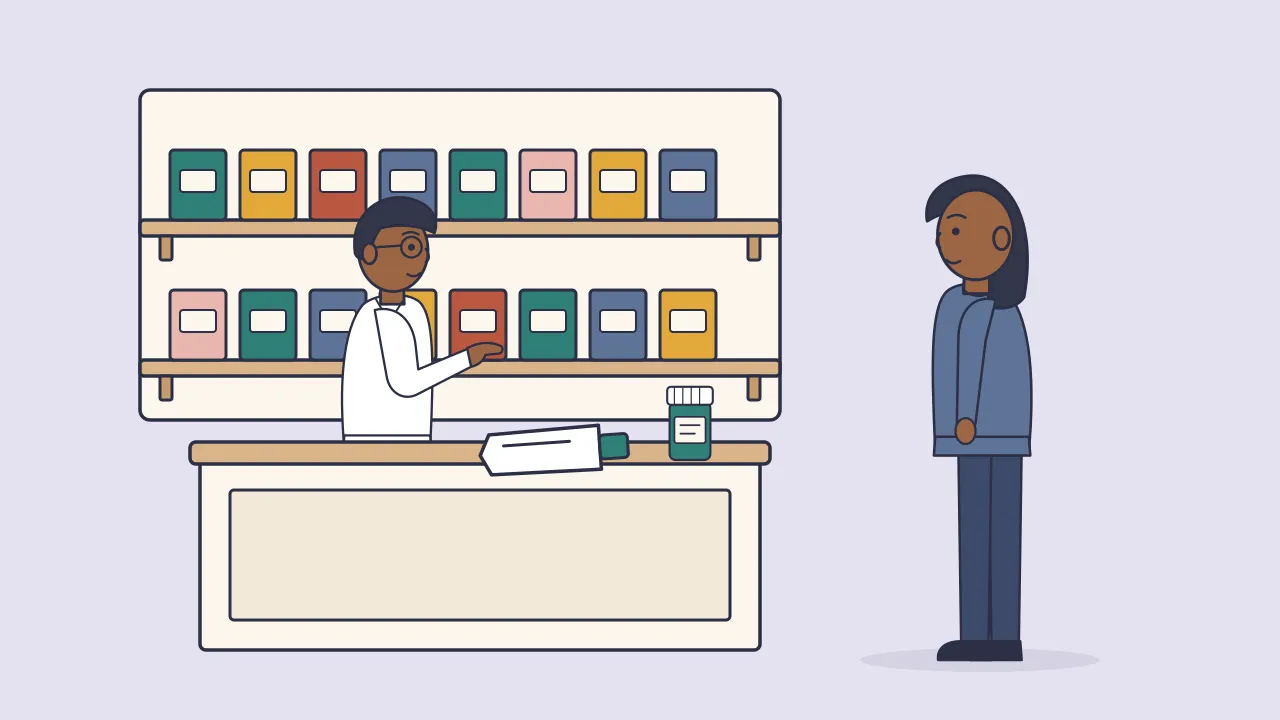
Piles is the everyday UK name for haemorrhoids, swollen blood vessels in and around the anus. The NHS lists bright red blood after a poo, itching, mucus and pain as the main symptoms. Most piles settle in a few days with fibre, fluids and not straining. A pharmacist can suggest creams, laxatives and cold packs. See a GP if they keep coming back.
Product links on this page go to Amazon. As an Amazon Associate I earn from qualifying purchases. No brand pays for a place on our lists. How we choose products
Key takeaways
- Piles and haemorrhoids are the same thing. Piles is the common name in the UK, and hemorrhoids (without the a) is the US spelling.
- A 2026 review of 150 studies with almost 9 million people put the worldwide prevalence of piles at about 26 percent at any one time.
- The NHS says piles often get better on their own after a few days, and advises fibre, fluids, not straining and not ignoring the urge to poo.
- In seven trials, fibre lowered the chance of bleeding from piles by 50 percent.
- Hydrocortisone creams for piles should not be used for more than 7 days unless a doctor says so. Bleeding that will not stop, large clots or severe pain need A&E or 999.
On this page
Piles are haemorrhoids. The two words name the same condition: blood vessels in and around the anus that have swollen, and that can bleed, itch, ache or slip out. Piles is the everyday word in the UK and many other English-speaking countries. Haemorrhoids is the medical term, spelled hemorrhoids in the US, which is why most of this site uses that spelling.
This page is the short, practical version for anyone who searched for piles: what they are, what the NHS advises, what a pharmacist can give you, and when to see a GP or go to A&E. Each section links to a longer guide. If you want the full picture under the medical name, start with hemorrhoids: what they are and how to get relief.
Piles, haemorrhoids and hemorrhoids: one condition
Everybody has soft cushions of blood vessels lining the anal canal. Doctors define haemorrhoids as those normal cushions becoming enlarged and slipping downward until they cause symptoms 14. That is what people mean when they say they have piles. The NHS describes piles as swollen blood vessels and notes that it is not clear exactly what causes them 1.
Piles are very common. A 2026 review of piles worldwide pooled 150 studies with almost 9 million people and put the worldwide prevalence at about 26 percent at any one time 2. In a screening study of 976 adults having a colonoscopy, 39 percent had haemorrhoids, and more than half of those had no symptoms at all 3.
If you are reading guides from different countries, these words mean the same thing:
| UK word | US word |
|---|---|
| Piles, haemorrhoids | Hemorrhoids |
| Poo | Stool, bowel movement |
| Fibre | Fiber |
| Paracetamol | Acetaminophen (Tylenol) |
| GP | Primary care doctor |
| A&E | Emergency room |
| 111 | Nurse advice line or urgent care |
Symptoms of piles
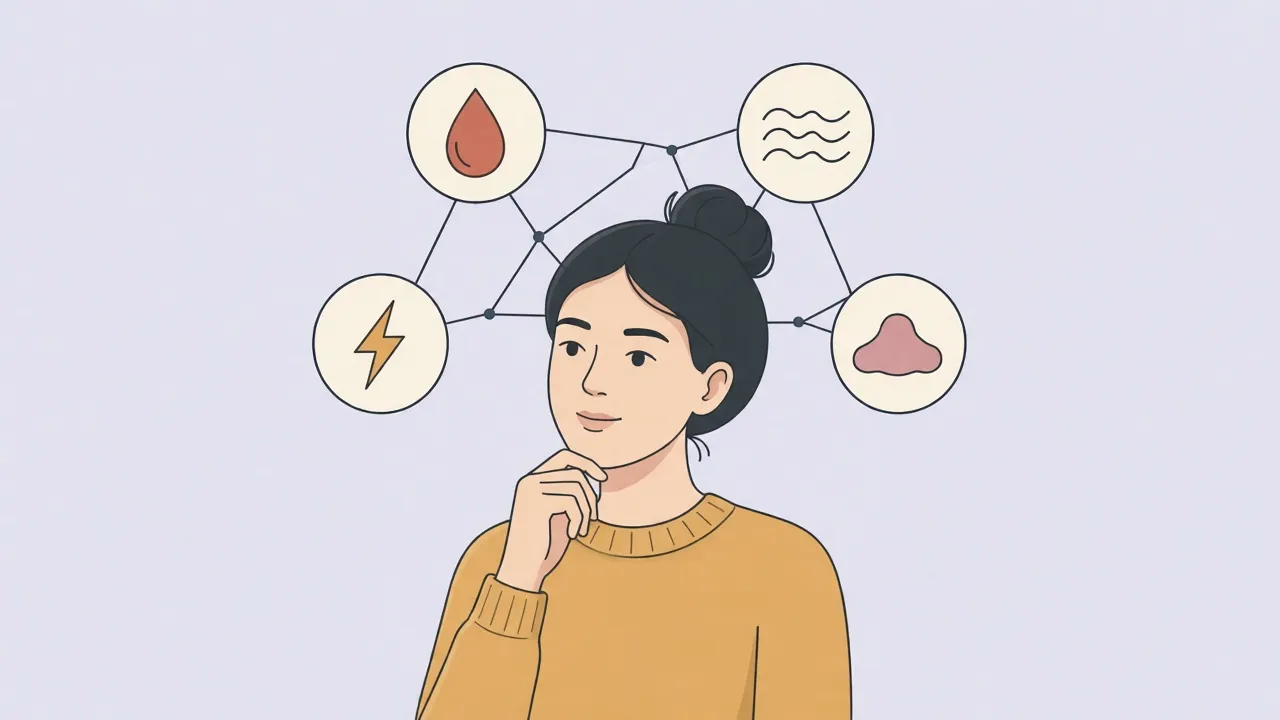
The NHS lists these as the main symptoms of piles 1:
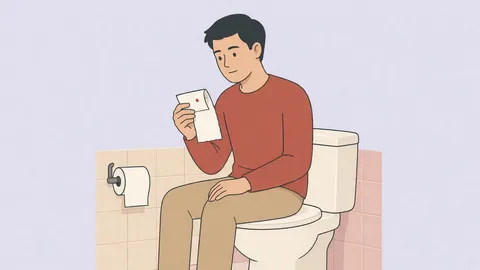
- bright red blood after you poo
- an itchy anus
- mucus in your underwear or on toilet paper after wiping
- pain around your anus
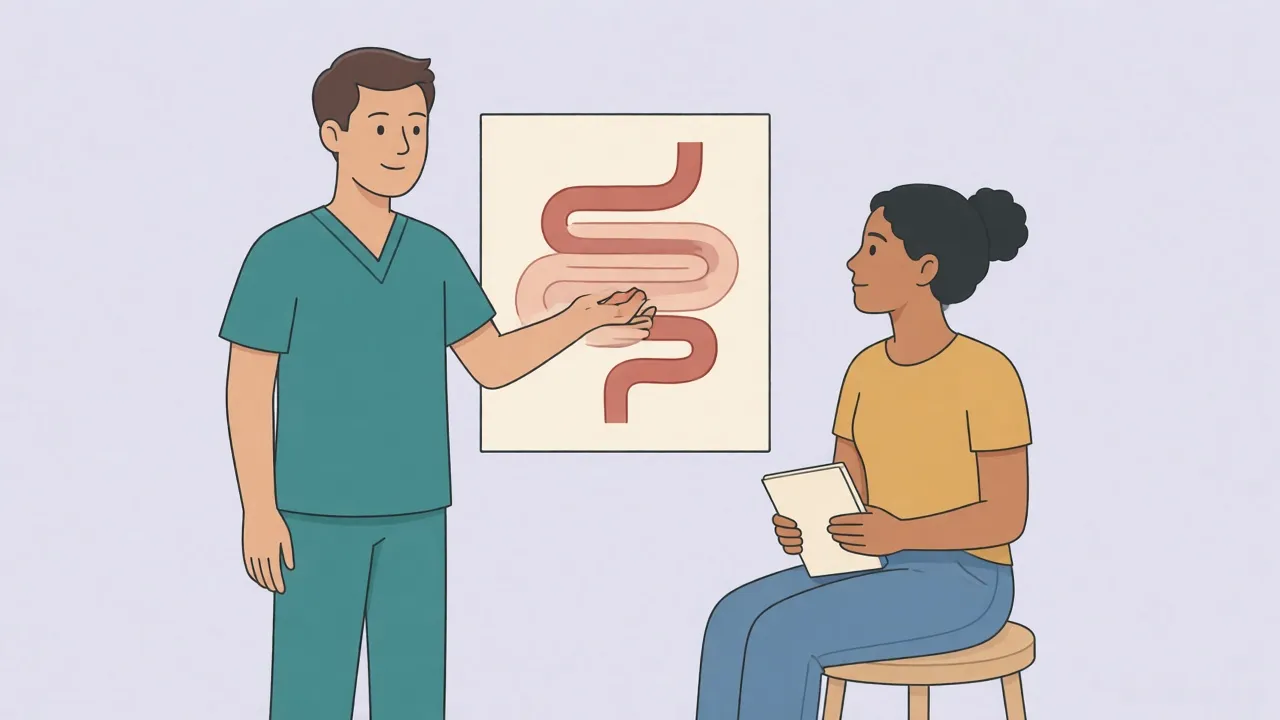
Some people also feel a lump at the edge of the anus, or something that slips out when they poo and goes back in. Internal piles, higher up inside the anus, tend to bleed without much pain. External piles, under the skin at the edge, are the ones that itch, ache and sometimes form a painful clot. The differences, and the 1 to 4 grading doctors use, are explained in internal hemorrhoids and external hemorrhoids. What each symptom means is covered in hemorrhoid symptoms.
What causes piles?
The NHS says piles are more likely with 1:
- constipation
- pushing too hard when pooing
- heavy lifting
- pregnancy
- getting older
- being overweight
The 2026 prevalence review found piles linked with older age, obesity, pregnancy, diabetes, constipation and a family history, in analyses that did not adjust for other factors 2. The studies behind each cause are in what causes hemorrhoids.
How to treat piles at home
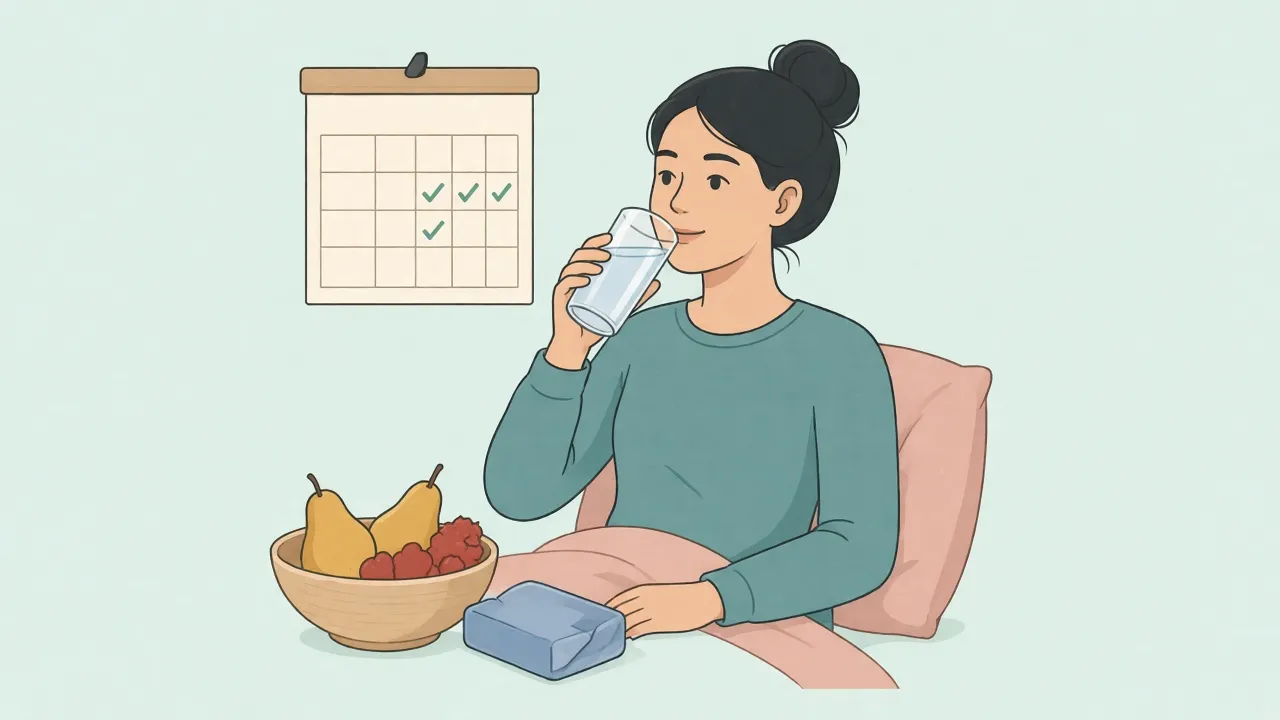
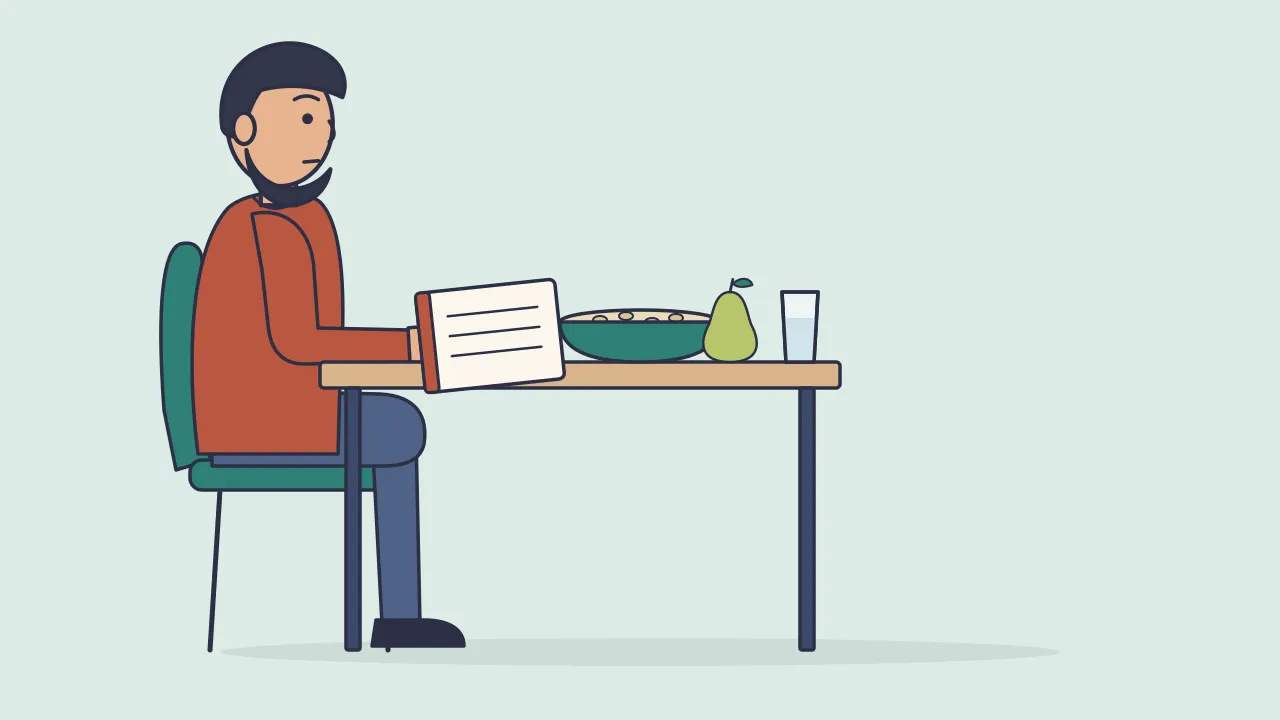
The NHS advice on piles for self-care is short 1:
| Do | Do not |
|---|---|
| Drink lots of fluid and eat plenty of fibre to keep your poo soft | Ignore the urge to poo |
| Gently push a pile back inside if you can | Push too hard when pooing |
| Take paracetamol if piles hurt | Take ibuprofen if your piles are bleeding |
Fibre has the strongest evidence of any home treatment. A meta-analysis of seven fibre trials found that fibre lowered the chance of bleeding by 50 percent and the chance of symptoms persisting by 47 percent 5. Water helps it work: in adults with constipation who already ate about 25 grams of fibre, drinking about 2 litres a day raised stool frequency more than drinking about 1 litre 6.
A warm bath is the other standard step. Sitting in warm water at 40°C lowered resting pressure in the anal muscle in a lab study, which eases spasm pain 12. A cold pack wrapped in a towel helps swelling. Step-by-step plans for the first 48 hours are in how to get rid of hemorrhoids fast, and fibre, plant pills, soaks and oils are graded in natural remedies for hemorrhoids.
What a pharmacist can give you for piles
The NHS says a pharmacist can suggest creams to ease pain, itching and swelling, laxatives if you are constipated, and cold packs 1. Most pile creams fall into a few groups: numbing creams, astringents such as witch hazel, soothing barrier creams, and creams with a mild steroid such as hydrocortisone 8.
Hydrocortisone creams, ointments and suppositories for piles should not be used for more than 7 days unless a doctor tells you to 7. A 2026 expert review of haemorrhoid treatment says topical creams of all kinds can be considered, and that there is little data showing they work 8. Treat a cream as comfort for a few days while the fibre and fluids do the main job.
Flavonoid tablets such as diosmin are another option. A Cochrane review of 20 trials found they reduced bleeding and itching, with weak trial methods 11. More is in diosmin for hemorrhoids. Creams sold on Amazon in the US are compared on the best hemorrhoid creams.
Burning, itching and soreness on the outside
Itching, burning and postpartum soreness
Swelling and throbbing when you want relief without medicine
When to see a GP about piles
The NHS advises seeing a GP if 1:
- your symptoms are getting worse, or there is no improvement after trying treatments at home
- you keep getting piles
- you notice a change around your anus that is not normal for you
A GP can prescribe stronger medicines for piles or constipation 1. NIDDK, the US government digestive health institute, gives a similar timeline: see a doctor if symptoms are no better after a week of home treatment 9. In the US, bowel cancer screening starts at 45 for adults at average risk 13. New bleeding from the bottom should be looked at, even if you are fairly sure it is piles.
The urgent signs above come from the NHS piles page 1. More detail on what happens at an appointment is in when to see a doctor for hemorrhoids.
Hospital treatments for piles
If home treatment has not worked, a GP can refer you to a hospital clinic. The NHS lists four main treatments 1:
| Treatment | What happens |
|---|---|
| Rubber band ligation (banding) | A band is placed around the pile so it drops off |
| Sclerotherapy | A liquid is injected into the pile to make it shrink |
| Haemorrhoidectomy | The pile is cut out |
| Stapled haemorrhoidopexy | The piles are stapled back inside the anus |
The European Society of Coloproctology guideline for haemorrhoidal disease sets out which of these suits which grade of pile, from basic treatment through office procedures to surgery 4. The NHS notes that treatment does not always stop piles coming back 1. How each procedure compares on pain, recovery and recurrence is in hemorrhoid procedures, and banding is walked through in rubber band ligation: what to expect.
Piles in pregnancy
Piles are common in pregnancy and after giving birth. The NHS pregnancy advice is to eat plenty of fibre and drink water, take regular exercise, avoid long spells of standing or sitting, avoid straining, clean with moist toilet paper and pat rather than rub, and hold a cloth wrung out in iced water against painful piles 10. It says not to use a cream or medicine without checking with your doctor, midwife or pharmacist first 10. The full plan, including which treatments are considered safe, is in hemorrhoids during pregnancy and postpartum hemorrhoids.
Piles or something else?
Several other problems feel like piles. A sharp, tearing pain when you poo, followed by burning that lasts hours, sounds more like an anal fissure; see hemorrhoid or anal fissure. A soft, painless flap of skin that stays after a flare is usually an anal skin tag, covered in anal skin tags. An itch with no lump or bleeding often has other causes, explained in itchy anus. If you are unsure, the hemorrhoid symptom checker asks a few questions and points you to the right page.
Frequently asked questions
Are piles and haemorrhoids the same thing?
Yes. Piles is the everyday word used in the UK and many other countries. Haemorrhoids is the medical name, spelled hemorrhoids in the US. Doctors use both for the same swollen blood vessels in and around the anus.
How long do piles last?
The NHS says piles often get better on their own after a few days. A pile with a painful clot in it can take longer. If they are no better after a week of home treatment, or they keep coming back, see a GP.
Can piles go away without treatment?
Many do, especially once stools are soft and you stop straining. Piles that keep slipping out of the anus, or that bleed again and again, often need a treatment such as banding. Treatment does not always stop piles coming back.
Should I see a GP or a pharmacist for piles?
A pharmacist is a good first stop for creams, laxatives and cold packs. See a GP if symptoms are getting worse, are no better after home treatment, keep coming back, or if you notice a change around your anus. New bleeding from the bottom should be checked by a doctor at least once.
Can I take ibuprofen for piles?
The NHS says not to take ibuprofen if your piles are bleeding. Paracetamol is the painkiller it suggests for piles. If you are not sure what is safe with your other medicines, ask a pharmacist.
Are piles a sign of cancer?
No, piles are not cancer and do not turn into cancer. Bowel cancer can also cause bleeding from the bottom, so new bleeding, a change in bowel habits, weight loss or tiredness should be checked by a doctor rather than assumed to be piles.
Sources
- 1. Piles (haemorrhoids) . NHS , 2026 . Government
- 2. Esmaeilnia Shirvani A, Pakdaman K, Maleki Z, et al. Worldwide prevalence of haemorrhoids: a systematic review and meta-analysis . Ann Med , 2026 ; 58(1):2606433 . doi:10.1080/07853890.2025.2606433 Review
- 3. Riss S, Weiser FA, Schwameis K, et al. The prevalence of hemorrhoids in adults . Int J Colorectal Dis , 2012 ; 27(2):215-220 . doi:10.1007/s00384-011-1316-3 Study
- 4. van Tol RR, Kleijnen J, Watson AJM, et al. European Society of ColoProctology: guideline for haemorrhoidal disease . Colorectal Dis , 2020 ; 22(6):650-662 . doi:10.1111/codi.14975 Guideline
- 5. Alonso-Coello P, Mills E, Heels-Ansdell D, et al. Fiber for the treatment of hemorrhoids complications: a systematic review and meta-analysis . Am J Gastroenterol , 2006 ; 101(1):181-188 . doi:10.1111/j.1572-0241.2005.00359.x Review
- 6. Anti M, Pignataro G, Armuzzi A, et al. Water supplementation enhances the effect of high-fiber diet on stool frequency and laxative consumption in adult patients with functional constipation . Hepatogastroenterology , 1998 ; 45(21):727-732 . Clinical trial
- 7. Hydrocortisone for piles and itchy bottom . NHS . Government
- 8. Qureshi W, Hoang S, Frye J, et al. AGA Clinical Practice Update on Diagnosis and Treatment of Hemorrhoids: Expert Review . Clin Gastroenterol Hepatol , 2026 ; 24(7):1773-1781 . doi:10.1016/j.cgh.2026.04.008 Guideline
- 9. Treatment of Hemorrhoids . National Institute of Diabetes and Digestive and Kidney Diseases (NIDDK) . Government
- 10. Piles in pregnancy . NHS . Government
- 11. Perera N, Liolitsa D, Iype S, et al. Phlebotonics for haemorrhoids . Cochrane Database Syst Rev , 2012 ; (8):CD004322 . doi:10.1002/14651858.CD004322.pub3 Cochrane review
- 12. Dodi G, Bogoni F, Infantino A, et al. Hot or cold in anal pain? A study of the changes in internal anal sphincter pressure profiles . Dis Colon Rectum , 1986 ; 29(4):248-251 . doi:10.1007/BF02553028 Study
- 13. US Preventive Services Task Force Screening for Colorectal Cancer: US Preventive Services Task Force Recommendation Statement . JAMA , 2021 ; 325(19):1965-1977 . doi:10.1001/jama.2021.6238 Guideline
- 14. Lohsiriwat V Hemorrhoids: from basic pathophysiology to clinical management . World J Gastroenterol , 2012 ; 18(17):2009-2017 . doi:10.3748/wjg.v18.i17.2009 Review