Quick answer
An anal fissure is a small tear that usually causes severe pain during a bowel movement and burning that can last minutes to hours, plus bright red blood. Internal hemorrhoids more often bleed with little or no pain. An exam separates them, because symptoms overlap and a skin tag can appear with either one.
Product links on this page go to Amazon. As an Amazon Associate I earn from qualifying purchases. No brand pays for a place on our lists. How we choose products
Key takeaways
- ASCRS describes fissure pain as severe during and after a bowel movement, lasting minutes to a few hours, with bright red blood. Between bowel movements many people feel relatively fine.
- In a clinic study, anal pain predicted a fissure, and bleeding without pain predicted hemorrhoids. Itch, burning, and soreness showed up with both.
- A three-week trial of a first acute fissure found healing in 87% with warm sitz baths plus bran, 82.4% with hydrocortisone ointment, and 60% with lidocaine ointment.
- A Cochrane review found nitroglycerin ointment healed chronic fissures more often than placebo (48.9% versus 35.5%), with recurrence in about half of those who healed. Surgery healed more reliably than any medicine.
- The NHS says to see a GP if fissure symptoms are worse or no better after 7 days of self-care. A prescription healing cream may be used for up to 8 weeks.
On this page
A fissure and a hemorrhoid can both leave bright red blood on the paper. The pain is the splitter. An anal fissure is a small tear in the skin at the opening of the anus, and it usually hurts in a sharp, tearing way when you pass stool. A typical internal hemorrhoid bleeds with little or no pain.
The American Society of Colon and Rectal Surgeons patient guide on anal fissures says fissures are often confused with hemorrhoids, including by primary care clinicians, and that delay can turn a new tear into a chronic one 1. In 2023 the society published its clinical practice guideline for the management of anal fissures, written for clinicians 2. The steps below follow the society’s patient guide, which you can read in full, plus the trials that measured healing.
This page covers how the symptoms differ, how common each problem is, how each is treated, and why a short exam is more reliable than guessing from blood alone. If you want a symptom-by-symptom walk-through first, start with hemorrhoid symptoms.
How the pain and the bleeding differ
ASCRS describes the usual fissure story in plain terms. Pain is severe during a bowel movement and especially afterward, lasting from several minutes to a few hours. Blood is bright red, on the paper or on the stool. Between bowel movements, many people feel relatively fine. Some become afraid to go and try to hold stool in, which makes the next stool harder 1.
The NHS anal fissure page uses the same three clues: severe sharp pain when you poo, burning pain afterward that may last several hours, and bright red blood in the toilet or on the paper. It also names piles as another cause of pain and bleeding, which is why the label matters 3.
Hemorrhoids follow a different pattern. The ASCRS hemorrhoid guide says painless rectal bleeding or tissue slipping out is the usual internal hemorrhoid story. Symptoms tend to build slowly and come and go. External hemorrhoids, when they hurt, are often a bluish lump just outside the anus. A clotted one, called a thrombosed hemorrhoid, is sudden and tender. External hemorrhoids that are not clotted are more about swelling, pressure, and trouble cleaning 5.
| Clue | Anal fissure | Hemorrhoid |
|---|---|---|
| Pain with stool | Severe, tearing, then burning for minutes to hours 13 | Internal hemorrhoids are often painless. External ones ache, especially with sitting 5 |
| Between bowel movements | Often quiet 1 | A lump, itch, or mucus may linger |
| Blood | Bright red on paper or stool 1 | Bright red with a bowel movement, sometimes brisk 5 |
| Lump | A sentinel skin tag if the tear is chronic 1 | Prolapse from inside, or a tender outside lump if clotted 5 |
| Where it sits | About 85 to 90% at the back midline, about 10 to 15% at the front 1 | Internal cushions, or skin-covered veins outside |
A clinic study of 807 people tested whether symptoms could predict the finding. Hemorrhoids were predicted by bleeding, weeping, and the absence of anal pain. Fissures were predicted by anal pain and by bleeding. Among people with a benign anal finding, 58.6% had bleeding, 53.7% had itch, 33.7% had pain, and 32.9% had burning 4. Pain with bleeding points toward a fissure. Bleeding without pain points toward a hemorrhoid. Itch shows up with both, so the pattern is only a clue.

How common each one is
Hemorrhoids show up often when someone looks. In a screening study of 976 adults, 38.93% had hemorrhoids, most of them grade 1, and 55.26% of those people reported no symptoms 6. Self-reported complaints are much lower, at 4.4% in a U.S. epidemiology study 8. ASCRS puts symptomatic hemorrhoids at roughly 5% of people, and says fewer than 10% of patients evaluated for them need surgery 5. A research review cites nearly 4 million U.S. office and emergency visits a year 9.
Anal fissure shows up often in clinic and much less often as a yearly rate. In a managed-care cohort from 2005 to 2011, there were 1,243 fissure cases. The overall incidence was 0.11% a year, or 1.1 cases per 1,000 person-years. It ranged from 0.05% in ages 6 to 17 to 0.18% in ages 25 to 34. Women made up 58% of cases and men 42%. Constipation was recorded in 14.2% of fissure patients versus 3.6% of matched controls 7. ASCRS says fissures can occur at any age. Its patient guide describes an equal split between men and women 1. The population study found a different sex pattern by age: higher in females ages 12 to 24 and in males ages 55 to 64 7.
A tear off to the side, more than one tear, a painless tear, or a tear that will not heal needs a look for other diseases, including Crohn’s disease, infection, and anal cancer 1. The table above has the usual locations: about 85 to 90% at the back midline and about 10 to 15% at the front.
Why people mix them up
The symptoms overlap, and a lump is not specific. A chronic fissure, typically one lasting more than 8 to 12 weeks, can grow a sentinel pile, which is a skin tag at the outer end of the tear, plus a small swollen tag of tissue just inside, called a hypertrophied papilla 1. That outside tag feels like a hemorrhoid when you wipe.
ASCRS says this mix-up is common, and that treating the wrong problem lets an acute tear become chronic and harder to heal 1. Sandler and Peery’s review makes a broader point: bleeding, pain, itching, seepage, prolapse, and mucus were reported about as often by patients who did not have hemorrhoids as by patients who did 9. Blood on the paper is a reason for an exam, because the same spot of blood has more than one cause.
In the Kuehn clinic, almost one third (31.2%) of people with a benign anal finding had more than one. Skin tags were more common when another benign anal problem was present 4. A tag can be leftover from a hemorrhoid, a sentinel pile from a fissure, or both.
How an anal fissure is treated
Most fissures do not need surgery. Pain makes the internal sphincter spasm, blood flow to the tear drops, and the next stool hurts again. Treatment tries to break that cycle 1.
For a new fissure, ASCRS starts with stool that is soft and formed: a high-fiber diet plus a supplement, totaling 25 to 35 grams of fiber a day. A stool softener and more water help if stools are hard. If stools are loose and frequent, an antidiarrheal may be needed instead. Lidocaine can numb the pain. Warm sitz baths for 10 to 20 minutes, several times a day and especially after a bowel movement, are meant to ease spasm. Opioid pain pills are a poor fit because they constipate. ASCRS says these measures can settle pain and bleeding and may heal more than half of acute fissures, with almost no side effects 1.
The NHS anal fissure page says to see a GP if symptoms are worse or no better after 7 days of self-care. The GP asks what you feel and looks at the anus. If that exam is too painful, you may be referred for a look under anesthesia. Paracetamol or ibuprofen can help the pain in the meantime 3.
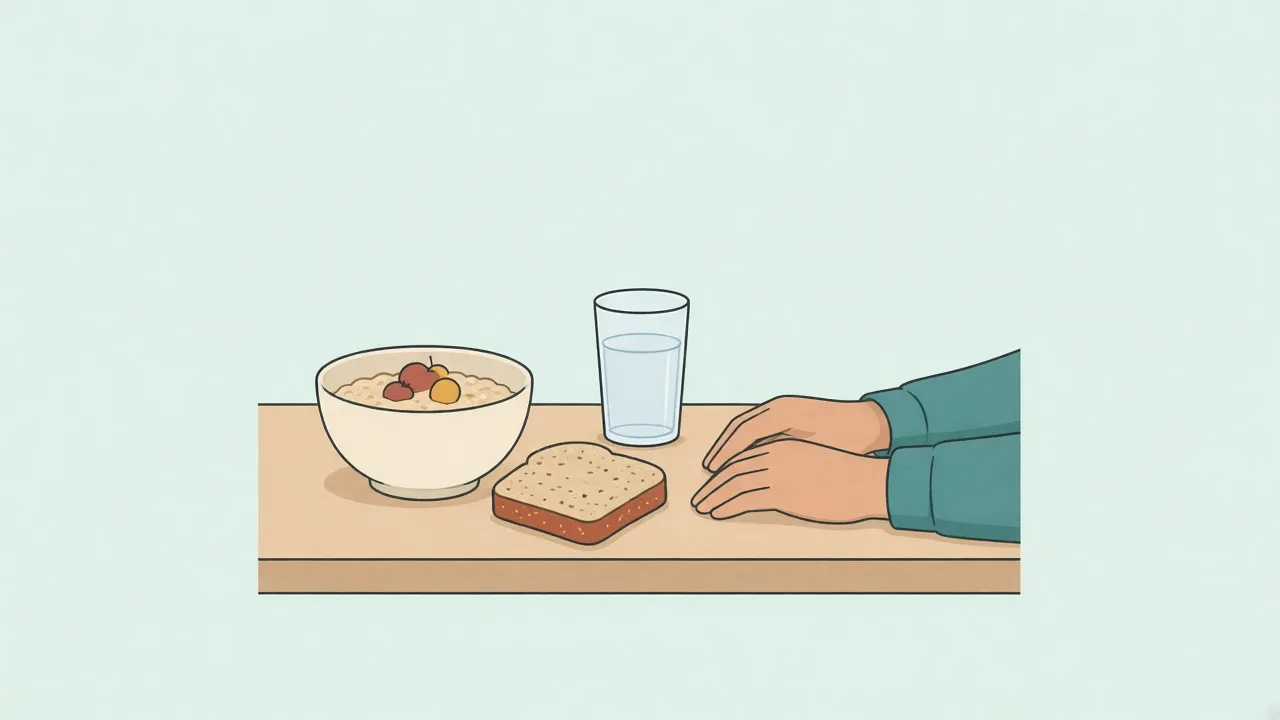
A basin makes the baths easier to repeat after every bowel movement. How long to soak, and how warm the water should be, is in how to take a sitz bath. Fiber options are compared on the best fiber supplements page.
Fivona Foldable Sitz Bath
Best for: Most people, especially after childbirth or surgery
Our top sitz bath. It sits steady on the toilet, folds flat for storage and drains without spills.
What recent buyers say
August 2026 reviews praise how steady it feels on the toilet and how easily it folds into a cabinet. One reviewer used it after hemorrhoid surgery and found it far easier than getting in and out of a tub. The only real split is size, and people with wider hips sometimes find it narrow.
What buyers like
- Stays steady on the toilet
- Folds flat for storage
- Drains cleanly into the bowl
Common complaints
- Narrow for wider hips
Skip it if you have wide hips. The Pochik has a roomier seat.
Chronic fissures are harder. ASCRS says a surgeon may prescribe medicine that relaxes the internal sphincter, or may discuss a procedure if medical care fails 1.
Nitroglycerin ointment relaxes that muscle and raises blood flow to the tear. In the patient guide, healing occurs in at least 50% of chronic fissures. Headache is the main side effect, reported in at least 20 to 30% of patients, and blood pressure can drop, especially if you already take blood pressure medicine. Recurrence is higher than after surgery 1. A Cochrane review of non-surgical fissure therapy pooled the trials: glyceryl trinitrate (nitroglycerin) healed 48.9% versus 35.5% with placebo. Late recurrence was common, in the range of 50% of those who had healed. Calcium channel blockers and botulinum toxin were about as effective as nitroglycerin, with fewer adverse events. No medicine in those trials came close to surgical sphincterotomy for chronic fissures in adults, and the medicines were not tied to incontinence the way surgery can be 11.
Topical diltiazem and nifedipine work in a similar way. ASCRS cites healing of chronic fissures in 65 to 95% of patients with these ointments, with headaches in up to 25%. Oral calcium channel blockers healed fewer fissures and caused more side effects than the topical forms 1. A 2017 meta-analysis found calcium channel blockers more effective than nitroglycerin and less likely to cause headache, but graded that evidence as low quality. The one high-quality comparison was lateral internal sphincterotomy versus any medical therapy, favoring surgery for sustained cure (odds ratio of treatment failure 0.12). Across subgroups, incontinence after sphincterotomy was 3.4 to 4.4% 12.
A 2023 meta-analysis used a looser definition of chronic (symptoms for at least 4 weeks, plus a sign such as a sentinel pile). Diltiazem beat glycerin for healing (relative risk 1.16). Nifedipine beat lidocaine for healing (relative risk 4.53) and for recurrence (relative risk 0.18). Botulinum toxin was not clearly better than glycerin or isosorbide dinitrate in that pooling 13. ASCRS still lists injection: about 50 to 80% full healing, with recurrence in up to 40%. Lateral internal sphincterotomy, a partial cut in the internal sphincter, has reported success over 90% when it is done carefully. The tradeoff is a chance of leaking gas or stool, so people who already leak, who have a birth injury to the sphincter, or who have Crohn’s disease need a careful talk first. Complete healing after medicine or surgery can take about 6 to 12 weeks 1.
Fissures also come back after they heal, often after one hard stool. ASCRS says to keep the fiber habit even after the pain stops 1. The NHS says a healing cream may be used for up to 8 weeks, and that an injection or a small cut in the muscle is the next step if creams and laxatives fail 3.
How a hemorrhoid is treated instead
Hemorrhoid care starts in a similar place and then splits. NIDDK’s home list is fiber, a stool softener, fluids, no straining, no long toilet sits, pain relievers, and warm soaks. Store-bought creams and suppositories are for mild outside pain, swelling, and itch, usually for about a week. Most prolapsed internal hemorrhoids, NIDDK says, go away without at-home treatment. Severely prolapsed or bleeding ones may need a procedure 14.
Bleeding or prolapsing internal hemorrhoids may be treated in the office with rubber band ligation, and only a doctor should place the band 14. Larger hemorrhoids are covered in hemorrhoid treatment. Timelines for flares that settle are in can hemorrhoids go away on their own.
Hydrocortisone, in the Jensen trial, healed many acute fissures, and baths plus bran relieved early pain sooner 10. If sharp pain is still there after a week of soft stools and baths, get an exam before you refill a steroid cream 3.
Why an exam settles it
ASCRS says most people who come in complaining of hemorrhoids still need a history and an exam before that label sticks 5. For a suspected fissure, the NHS says the GP looks at the anus, and a painful exam can be finished under anesthesia 13.

When to see a doctor for hemorrhoids: red flags, which clinician to book, what the exam includes, how to prepare, and telehealth limits.
Off-midline tears, several tears, painless tears, and tears that do not heal are the ones ASCRS flags for Crohn’s disease, infection, or a tumor 1. The US Preventive Services Task Force recommends colon cancer screening starting at age 45 for adults at average risk 15. Bleeding hemorrhoids lists what bright red blood usually means.
The hemorrhoid symptom checker can sort home care from “get examined” before that visit. A first acute fissure still needs the basics: 25 to 35 grams of fiber, water, and warm soaks for 10 to 20 minutes after bowel movements. If the sharp pain is still there after a week, book the look 13.
Frequently asked questions
Can a fissure feel like a lump?
A chronic fissure can have a small external lump called a sentinel pile, which is a skin tag next to the tear. That lump is easy to mistake for a hemorrhoid. The clue is the pain pattern: severe pain with a bowel movement, then burning that can last hours. A doctor can see the tear, which is usually in the midline, at the back or the front.
How long does a new fissure take to heal?
Acute means recent. Chronic usually means the tear has lasted more than 8 to 12 weeks and may have scar tissue. In one trial, warm baths plus bran healed 87% of first-time acute fissures by three weeks. ASCRS says simple measures may heal more than half of acute fissures. Full healing, including after medicine or surgery, can still take about 6 to 12 weeks.
Do hemorrhoids cause pain with every bowel movement?
Internal hemorrhoids usually do not. They tend to cause painless bright red bleeding or tissue that slips out. External hemorrhoids can ache, especially when you sit, and a clotted one is a sudden tender lump. Pain that feels like tearing or passing glass, then burns for a long time after you finish, fits a fissure better than a typical hemorrhoid.
Can I have a hemorrhoid and a fissure at the same time?
Yes. In one proctology clinic, almost a third of people with a benign anal finding had more than one. Hemorrhoids were the most common finding, and fissures were predicted by pain plus bleeding. Treating only the hemorrhoid will not relax the muscle spasm that keeps a fissure from healing.
When does a fissure need surgery?
Most fissures do not. Surgery is for tears that stay painful after fiber, baths, and a prescription ointment, or that keep coming back. Lateral internal sphincterotomy has the highest healing rates in the trials, with a small risk of trouble controlling gas or stool. Botulinum toxin injection is another option, with more recurrences.
Sources
- 1. Anal Fissure Expanded Information . American Society of Colon and Rectal Surgeons , 2020 . Reference
- 2. Davids JS, Hawkins AT, Bhama AR, et al. The American Society of Colon and Rectal Surgeons Clinical Practice Guidelines for the Management of Anal Fissures . Dis Colon Rectum , 2023 ; 66(2):190-199 . doi:10.1097/DCR.0000000000002664 Guideline
- 3. Anal fissure . NHS . Government
- 4. Kuehn HG, Gebbensleben O, Hilger Y, et al. Relationship between anal symptoms and anal findings . Int J Med Sci , 2009 ; 6(2):77-84 . doi:10.7150/ijms.6.77 Study
- 5. Hemorrhoids: Expanded Information . American Society of Colon and Rectal Surgeons . Guideline
- 6. Riss S, Weiser FA, Schwameis K, et al. The prevalence of hemorrhoids in adults . Int J Colorectal Dis , 2012 ; 27(2):215-220 . doi:10.1007/s00384-011-1316-3 Study
- 7. Mapel DW, Schum M, Von Worley A The epidemiology and treatment of anal fissures in a population-based cohort . BMC Gastroenterol , 2014 ; 14:129 . doi:10.1186/1471-230X-14-129 Study
- 8. Johanson JF, Sonnenberg A The prevalence of hemorrhoids and chronic constipation. An epidemiologic study . Gastroenterology , 1990 ; 98(2):380-386 . doi:10.1016/0016-5085(90)90828-o Study
- 9. Sandler RS, Peery AF Rethinking What We Know About Hemorrhoids . Clin Gastroenterol Hepatol , 2019 ; 17(1):8-15 . doi:10.1016/j.cgh.2018.03.020 Review
- 10. Jensen SL Treatment of first episodes of acute anal fissure: prospective randomised study of lignocaine ointment versus hydrocortisone ointment or warm sitz baths plus bran . Br Med J (Clin Res Ed) , 1986 ; 292(6529):1167-1169 . doi:10.1136/bmj.292.6529.1167 Clinical trial
- 11. Nelson RL, Thomas K, Morgan J, et al. Non surgical therapy for anal fissure . Cochrane Database Syst Rev , 2012 ; 2012(2):CD003431 . doi:10.1002/14651858.CD003431.pub3 Cochrane review
- 12. Nelson RL, Manuel D, Gumienny C, et al. A systematic review and meta-analysis of the treatment of anal fissure . Tech Coloproctol , 2017 ; 21(8):605-625 . doi:10.1007/s10151-017-1664-2 Review
- 13. Sierra-Arango F, de la Hoz-Valle J, Espinosa JP, et al. Clinical Outcomes of Medical Management Options for Chronic Anal Fissures in a Long-Term Follow-up: Systematic Review and Meta-Analysis . Dig Dis , 2023 ; 41(5):822-832 . doi:10.1159/000528222 Review
- 14. Treatment of Hemorrhoids . National Institute of Diabetes and Digestive and Kidney Diseases (NIDDK) . Government
- 15. US Preventive Services Task Force Screening for Colorectal Cancer: US Preventive Services Task Force Recommendation Statement . JAMA , 2021 ; 325(19):1965-1977 . doi:10.1001/jama.2021.6238 Guideline