Quick answer
Hemorrhoids during pregnancy most often show up in the third trimester or just after birth. Constipation is the strongest risk the studies measured. Warm soaks, fiber, fluids, and short toilet sits are the first steps. Ask your obstetric provider before a medicated cream, and keep steroid creams to about a week unless they say otherwise.
Product links on this page go to Amazon. As an Amazon Associate I earn from qualifying purchases. No brand pays for a place on our lists. How we choose products
Key takeaways
- In a study of 280 pregnant women who were examined through pregnancy, 40.7 percent were diagnosed with hemorrhoids, and most new problems around the anus appeared in the third trimester or after delivery.
- Constipation raised the odds of anal symptoms several times over in two separate pregnancy cohorts, and a history of hemorrhoids or fissures raised the odds as well.
- In a hospital comparison of 495 pregnant women, a warm sitz bath three times a day, plus daily fiber, was followed by healing in every woman in that group, compared with 84.8 percent of women using a cream plus the same fiber.
- A study of 204 women who used hydrocortisone-pramoxine foam in the third trimester found no increase in prematurity or lower birth weight compared with pregnancies that were not exposed.
- The NHS says hydrocortisone treatments for piles can be used in pregnancy, and that they should not be used for more than 7 days without a checkup.
On this page
Hemorrhoids during pregnancy usually show up late, not in the first months. In a Lithuanian study that examined 280 women through pregnancy and the first month after birth, 114 women (40.7 percent) were diagnosed with hemorrhoids, and another 7 (2.5 percent) had hemorrhoids plus an anal fissure, a small tear in the lining of the anus 1. Most of the new problems around the anus clustered in the third trimester or just after delivery.
Constipation is the risk that keeps showing up. A Belgian cohort found anal symptoms in 68 percent of pregnant women, and constipation made those symptoms much more likely 2. Home care is where NHS advice on piles in pregnancy and ACOG’s FAQ on digestive problems both start: softer stools, less straining, warm water, and a check with your midwife or obstetrician before any medicated cream 34.
This page goes through the trimester numbers, why pregnancy sets hemorrhoids off, and the treatments that have actually been tried in pregnant women: sitz baths, creams, flavonoid pills, hydrocortisone, and hydrocortisone-pramoxine foam. For the first weeks with the baby, use the guide to postpartum hemorrhoids.
How common are hemorrhoids in each trimester?
The Lithuanian team examined women four times, so the timing is based on exams, not memory 1. Of the 123 women who developed any problem around the anus, 1.6 percent did so in the first trimester, 61 percent in the third trimester, 34.1 percent after delivery, and 3.3 percent at the one-month visit. The first trimester was rare in that group. The last trimester and the days after birth were when new cases piled up.
A 2014 cohort of 280 pregnant women also measured what predicted those problems. After the researchers accounted for other factors, a personal history of hemorrhoids or fissures, constipation, pushing for more than 20 minutes, and a baby heavier than 3,800 grams (about 8 pounds 6 ounces) each went with much higher odds 1. The ranges around those estimates are wide, because 280 women is a modest group. They show a strong pattern. They are a poor way to predict one person’s labor.
Among the women who did develop a problem around the anus, 99 (80.5 percent) had a vaginal birth and 24 (19.5 percent) had a cesarean 1. A cesarean avoids a long vaginal push. Hemorrhoids still appeared after cesarean births in that study, which fits with constipation and pelvic pressure building before labor starts 1.
A 2024 study from the same city followed 190 women with exams before 12 weeks, again at 18 to 20 weeks, and in the first two months after birth 5. Hemorrhoidal disease after delivery was recorded in 73 women (34.6 percent). Any problem around the anus was recorded in 120 women (56.9 percent). A baby of 3,380 grams or more, and a second stage of labor of 38 minutes or longer, went with higher odds of problems around the anus. Daily fruit and vegetables went with lower odds (odds ratio 0.35, meaning about one-third the odds of women who did not eat them daily).
The Belgian numbers come from questionnaires, not exams. Researchers enrolled 94 women between weeks 19 and 25 and asked again in the third trimester, right after birth, and at three months 2. Sixty-eight percent developed anal symptoms. Anal pain was the most common one. Constipation, defined with the Rome III criteria (a standard symptom list), was reported by 60.7 percent at some point in the study. Seven women (7.9 percent) reported leaking stool.
They did not look inside the anus. They guessed the likely problem from the symptom mix. On that basis, a painful clot in an external hemorrhoid (a thrombosed hemorrhoid) was most typical right after birth. A hemorrhoid that slips out (prolapse) was most typical in the third trimester and right after birth. A fissure did not belong to one time period. Constipation raised the odds of anal symptoms about sixfold (odds ratio 6.3, with a range of about 2 to 19). A past anal problem raised the odds about fourfold (odds ratio 3.9) 2.
Why pregnancy causes hemorrhoids
ACOG’s patient FAQ describes hemorrhoids as swollen blood vessels in and around the anus and lower rectum. The vessels stretch under pressure. ACOG lists pregnancy itself, standing or sitting for long periods, straining, and constipation as reasons that pressure builds 4. Passing stool can injure the swollen vessels and start bleeding.
The same FAQ explains the bowel side. During pregnancy, higher hormone levels can slow the digestive system and cause constipation. ACOG defines constipation as fewer than three bowel movements a week, or stools that are firm or hard to pass. The belly may feel swollen. Not eating enough fiber, not drinking enough water, some medicines, and a change in routine can all add to it 4.
That matches the cohorts. Constipation was not a side note. It was the factor with the largest odds in both the exam study and the questionnaire study 12. If you already had hemorrhoids or a fissure before this pregnancy, your odds were higher again. Long pushing and a heavier baby mattered at delivery, which is why symptoms can start, or suddenly worsen, after the birth even when the pregnancy itself was comfortable 15.
The NHS page makes the same practical point in fewer words: constipation can cause piles, so the first job is a soft, regular stool 3. Iron tablets are a common reason stools turn hard in pregnancy. If a prescribed iron pill is backing you up, ask the person who prescribed it about the dose or the form. Do not stop it on your own.
Constipation, fiber, and what the pregnancy trials found
A Cochrane review of constipation treatments in pregnancy could use data from only two trials, 180 women in total 6. The evidence is thin, and the authors said so.
Fiber versus no extra fiber: 40 women. The fiber group had about 2.24 more bowel movements per week (the likely range was about 1 to 3.5 extra). Hard stools became a bit less common. The reviewers rated that evidence moderate, which means a larger trial could still shift the number 6.
Stimulant laxatives versus bulk-forming (fiber) laxatives: 140 women. About 1.6 times as many women improved on the stimulant. They also had more than twice as much belly discomfort, and diarrhea was more common. Satisfaction was about the same. The review found no usable pregnancy trials of stool softeners, osmotic laxatives such as polyethylene glycol, enemas, or suppositories 6.
Outside pregnancy, the fiber evidence for hemorrhoid symptoms is stronger. A 2006 meta-analysis of seven fiber trials (378 people) found fiber cut the chance of symptoms that would not settle by about 47 percent (risk ratio 0.53) and cut the chance of bleeding by about half (risk ratio 0.50) 7. Pain, itching, and prolapse might have improved too, but the ranges were wide enough that no effect was still possible. Those trials were not done in pregnant women. They are the reason fiber is still the first hemorrhoid treatment on most adult guidelines, including in pregnancy, where the direct trials are smaller 67.
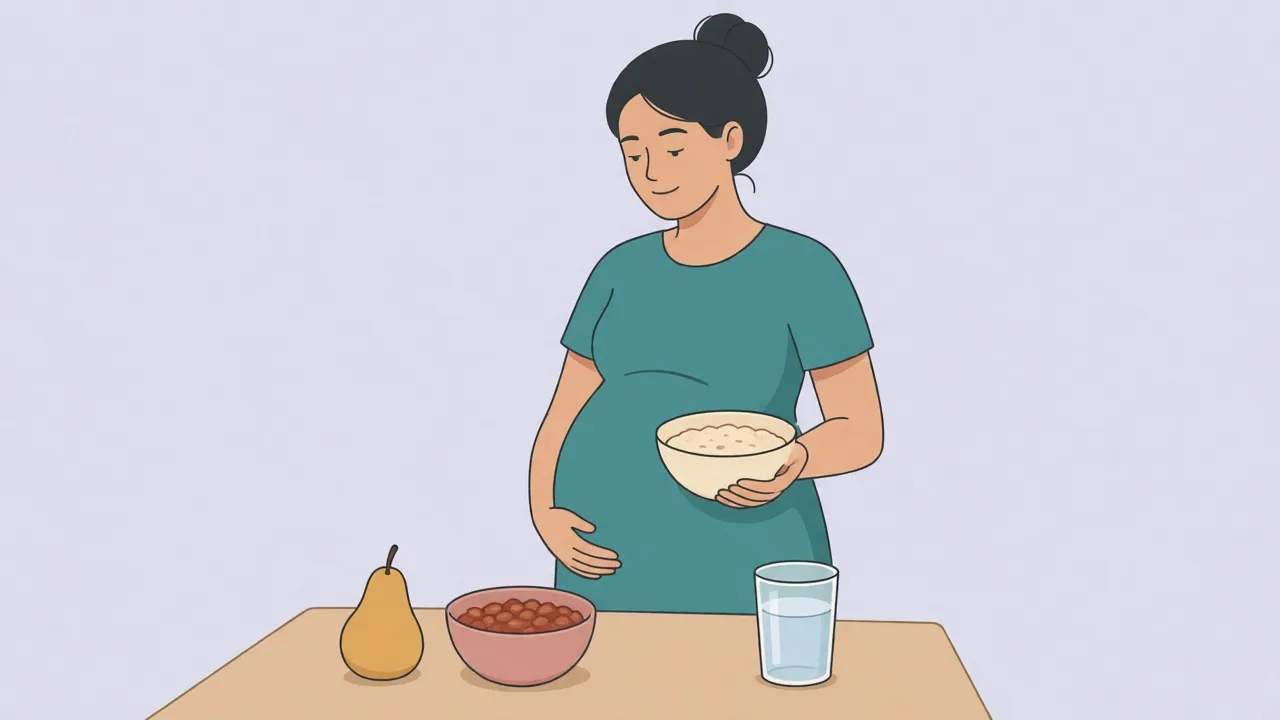
ACOG says current guidelines recommend 25 grams of fiber a day for women, and that most Americans get about 15 grams 4. The Institute of Medicine set the pregnancy Adequate Intake at 28 grams a day 18. The fiber calculator uses those National Academies targets and shows how far a normal day of eating falls short. The hemorrhoid diet guide lists foods that close that gap. If food will not get you there, the best fiber supplements page compares psyllium powders and capsules. Add fiber a little at a time so your gut can adjust, and drink more water as you go, or gas and bloating are likely 17.
Sitz baths, creams, and the pregnancy comparison
The largest pregnancy study of local treatment followed 495 pregnant women at one Saudi hospital from 2010 to 2014 8. It was a comparison of two plans, and the abstract does not describe random assignment, so the groups may have differed in ways the numbers do not show.
One group (284 women) used a warm salty sitz bath three times a day. The bath was made with 20 grams of table salt. The other group (211 women) used a topical cream twice a day. Both groups also used a 2 gram glycerin suppository about 20 minutes before a bowel movement, as a lubricant, and one daily dose of psyllium (Metamucil) mixed into 8 ounces of cold liquid 8.
Complete healing was reported in all 284 women in the sitz group (100 percent) and in 179 of 211 in the cream group (84.8 percent). The gap favored the soaks. A 100 percent healing rate is unusually high for hemorrhoids, which often quiet down and then flare again, so treat that figure as this hospital’s result, not a promise. What you can take from it: in pregnant women who were also taking fiber, a warm soak three times a day came out ahead of cream 8.
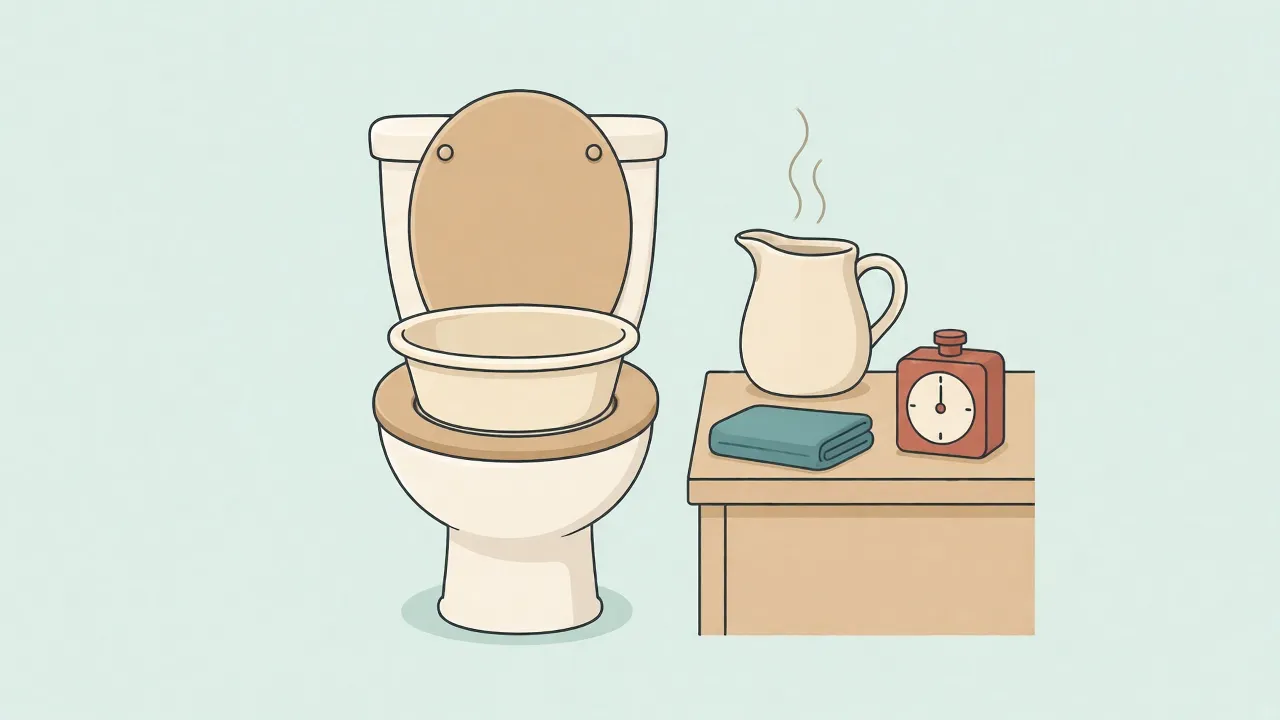
Plain warm water is enough for home use. The NIDDK hemorrhoid treatment page describes a sitz bath as sitting in warm water several times a day 15. Step-by-step timing and temperature are in how to take a sitz bath. A basin that sits on the toilet is easier than climbing into a tub once your belly is in the way. Options are on the best sitz baths page.
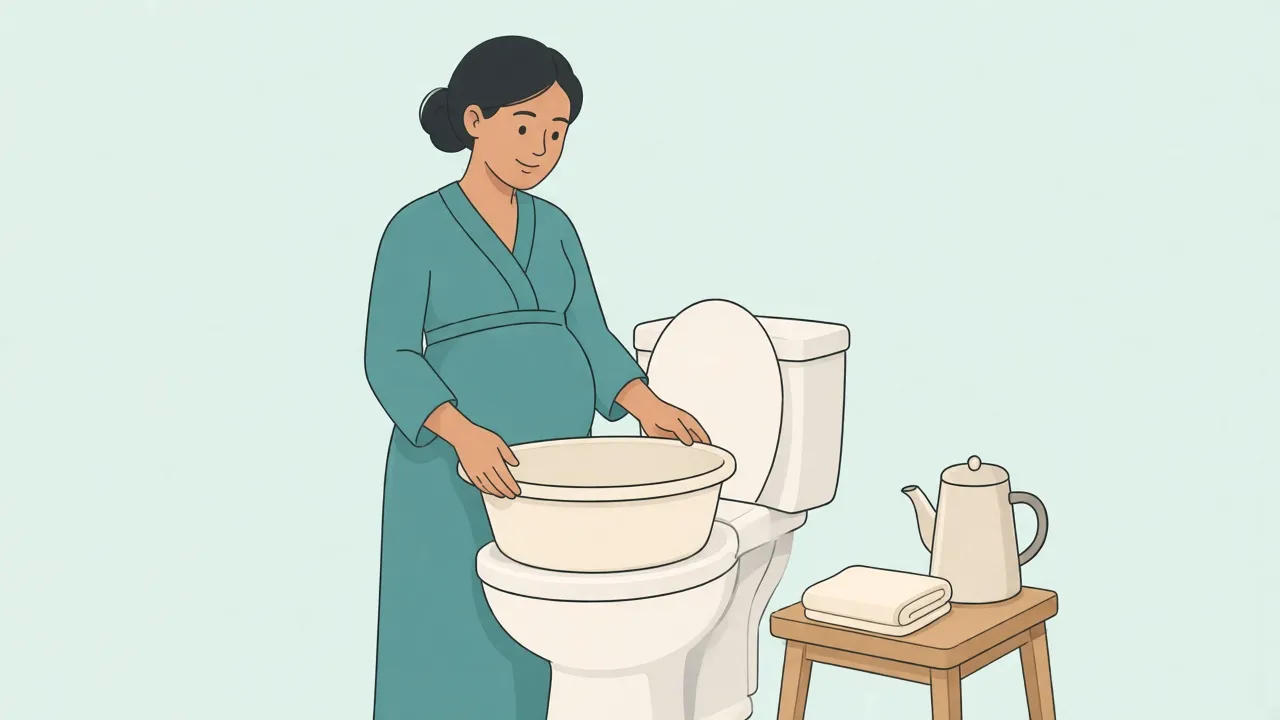
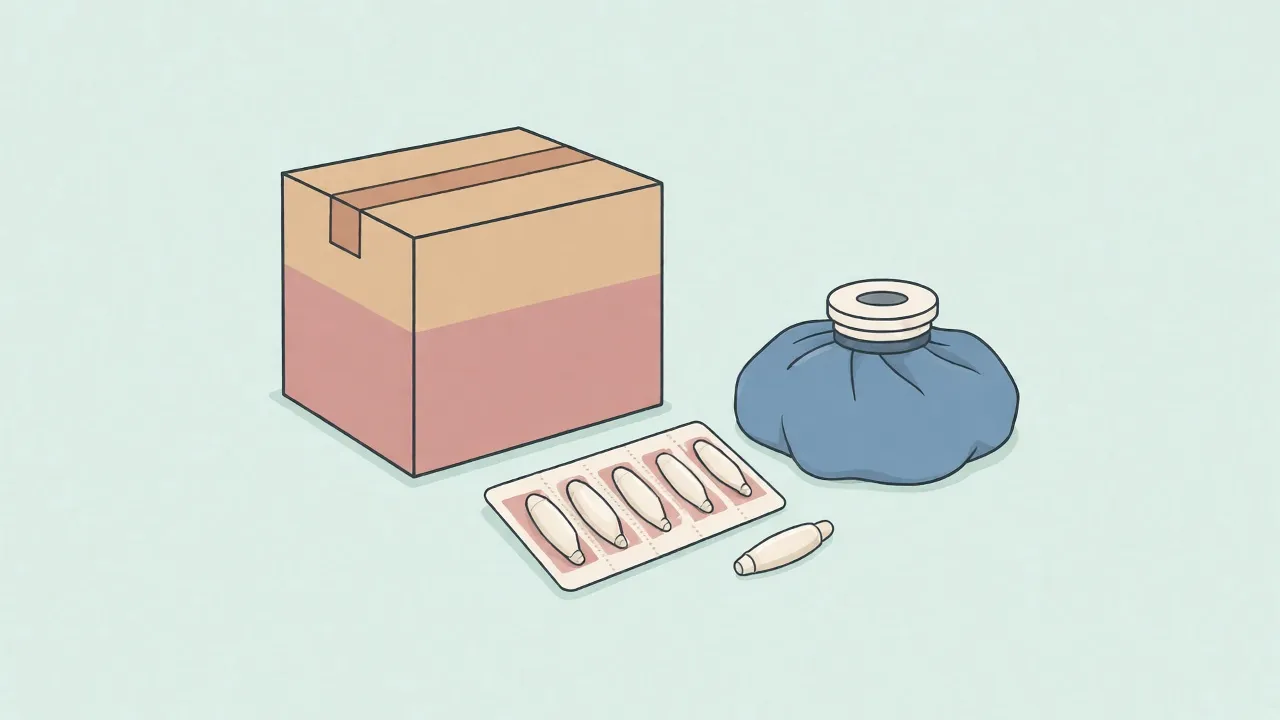
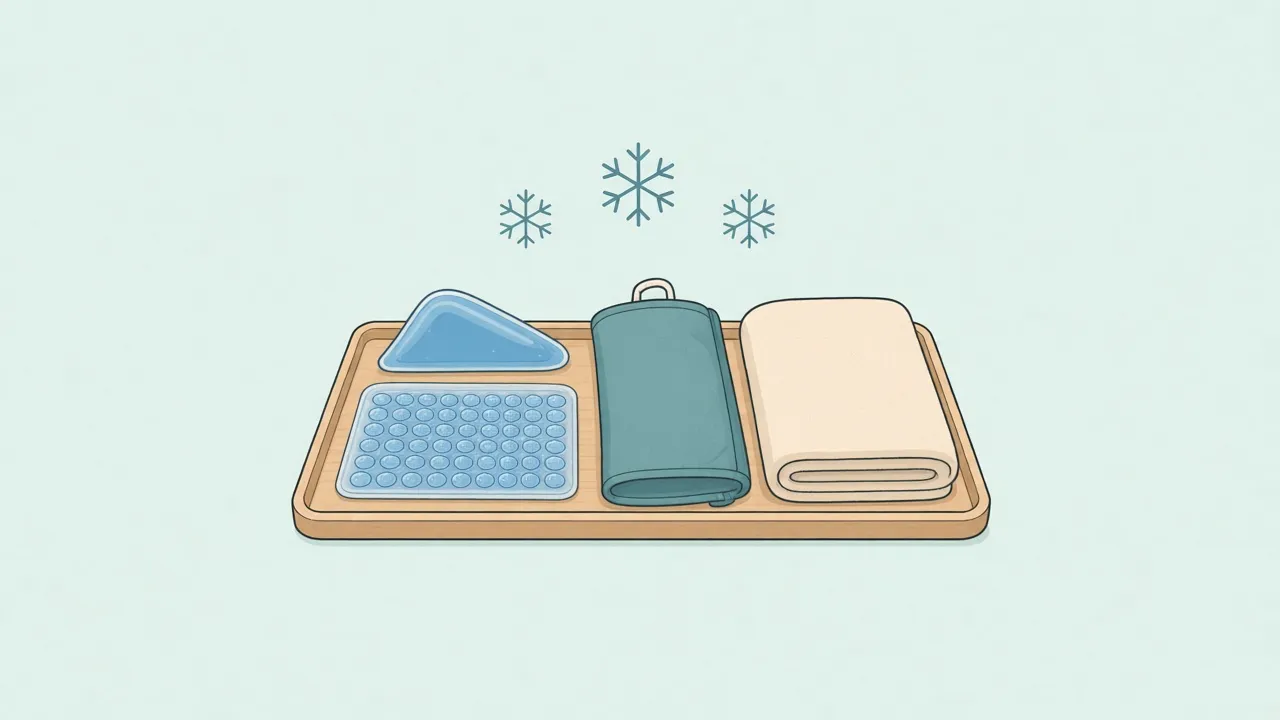
For pain between soaks, the NHS suggests a cloth wrung out in iced water, held gently on the area 3. ACOG also lists ice packs to bring swelling down, and sitting in warm water for relief 4. Wrapped cold packs and the timing that keeps skin safe are on the ice pack page. Cooling pads are a softer version of the same idea. After childbirth, a peri bottle, cold pads, and a basin are grouped on the postpartum product page.
Most people, especially after childbirth or surgery
Itching, burning and postpartum soreness
Swelling and throbbing when you want relief without medicine
Flavonoid pills studied in pregnancy
Flavonoid pills (sometimes called phlebotonics) are oral medicines meant to support vein tone.
An open study in India gave 50 pregnant women with acute internal hemorrhoids a micronized mix of diosmin (90 percent) and hesperidin (10 percent) 9. The median course was 8 weeks before delivery and 4 weeks after. By day 4, 66 percent had relief of the acute symptoms (the likely range was about 53 to 79 percent). The authors said the medicine was well accepted and did not affect the pregnancy, fetal development, birth weight, infant growth, or feeding. There was no placebo group. Some of that day-4 relief may have been time and the usual home care, not the pill.
A Cochrane review looked at a related group of vein medicines, oral rutosides, against placebo in pregnancy and the weeks after birth 10. Only two trials, 150 women, met the rules. Women on rutosides were much less likely to report that nothing had helped. One fetal death was reported in a control group and one congenital malformation in a treatment group. The reviewers said the malformation was possibly unrelated to the drug. They still would not recommend rutosides until newer safety evidence was available. Diet changes and local treatments, the things most women actually use, had not been properly tested in pregnancy at that time (2005) 10. Diosmin-hesperidin and rutosides are different drugs, and neither study is a large safety trial. If you are considering a flavonoid pill, take the name to your obstetric provider before you buy it.
Hydrocortisone and hydrocortisone-pramoxine
A small trial of hydrocortisone cream
A preliminary trial in Malaysia randomized 23 women who were past 28 weeks and already had hemorrhoid symptoms 11. One group used hydrocortisone cream 1 percent (the brand in the trial was Procort). The other group used a toilet seat device that supports the perineum from behind (Hai’s Perianal Support). Both groups improved in pain, itching, swelling, discomfort, and bleeding. The seat group had a larger improvement in pain, swelling, discomfort, well-being, and overall scores.
Twenty-three women cannot settle what a cream does, and the authors asked for more trials 11. The seat device is not a product this site reviews. Symptoms improved in both groups, and the cream was not the stronger option in this tiny trial.
How long steroid creams are used
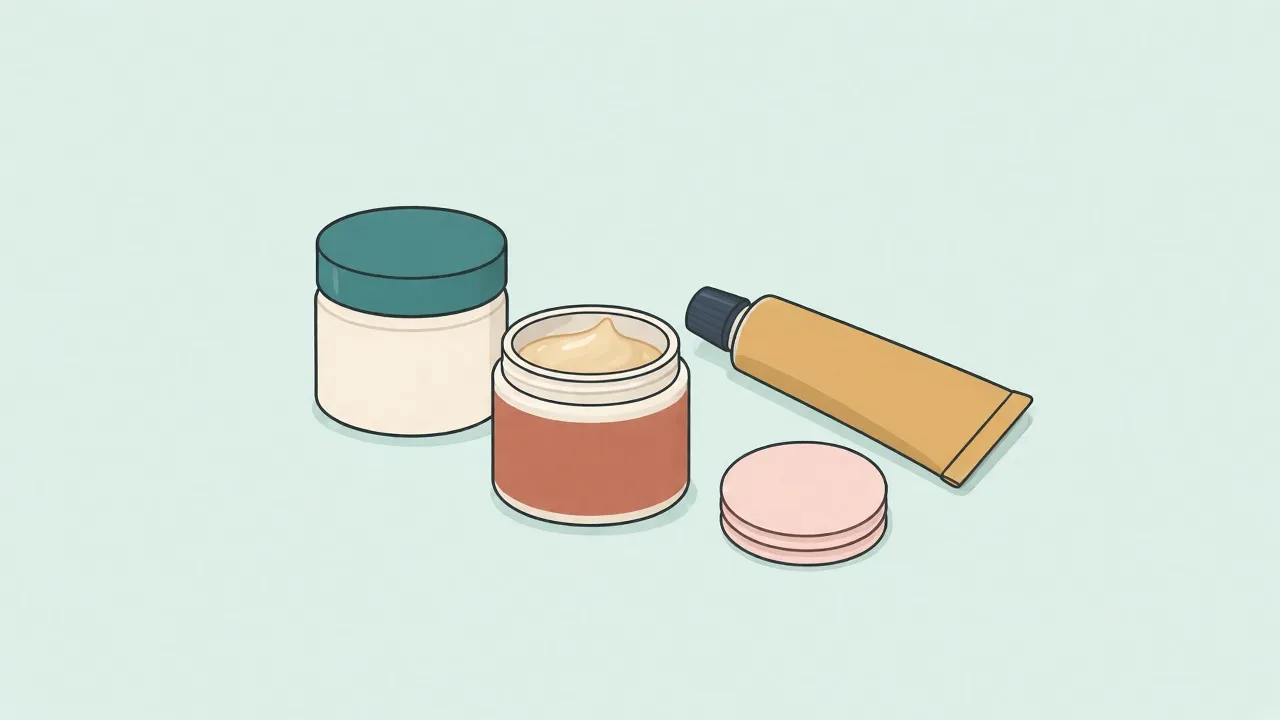
The NHS page on hydrocortisone for piles in pregnancy says hydrocortisone creams, ointments, sprays, and suppositories for piles and itchy bottom can be used in pregnancy. Only a small amount of the medicine gets into the blood, and the NHS states that this will not harm the baby 13. The NHS also says not to use these treatments for more than 7 days. If symptoms are no better after 7 days, or they come back quickly, make an appointment 12.
That lines up with the NIDDK limit for the general public: doctors most often recommend over-the-counter hemorrhoid products for 1 week, and you should follow up if they do not help or if they cause dry skin or a rash 15. The NHS pregnancy piles page says not to use a cream or medicine without checking with a doctor, midwife, or pharmacist first 3. Follow the leaflet, wash your hands before and after, and use a small amount on the outside skin. Suppositories are the form for internal hemorrhoids 12.
Fetal safety of hydrocortisone-pramoxine foam
Pramoxine is a numbing medicine. Combined with hydrocortisone, it is sold as a foam (the study used Proctofoam-HC). A multicenter Canadian study followed 204 women who used that foam in the third trimester and a similar number of pregnant women who did not 14. Compared with the unexposed pregnancies, the foam was not tied to differences in birth weight, gestational age at birth, prematurity, or complications before or after birth. The authors’ conclusion was that the foam is safe for hemorrhoids in late pregnancy 14.
The exposures in that study were in the third trimester. The study does not cover daily use from the first weeks of pregnancy, or use that runs for months. Keep the NHS 7-day limit unless your obstetric provider tells you otherwise 1214.
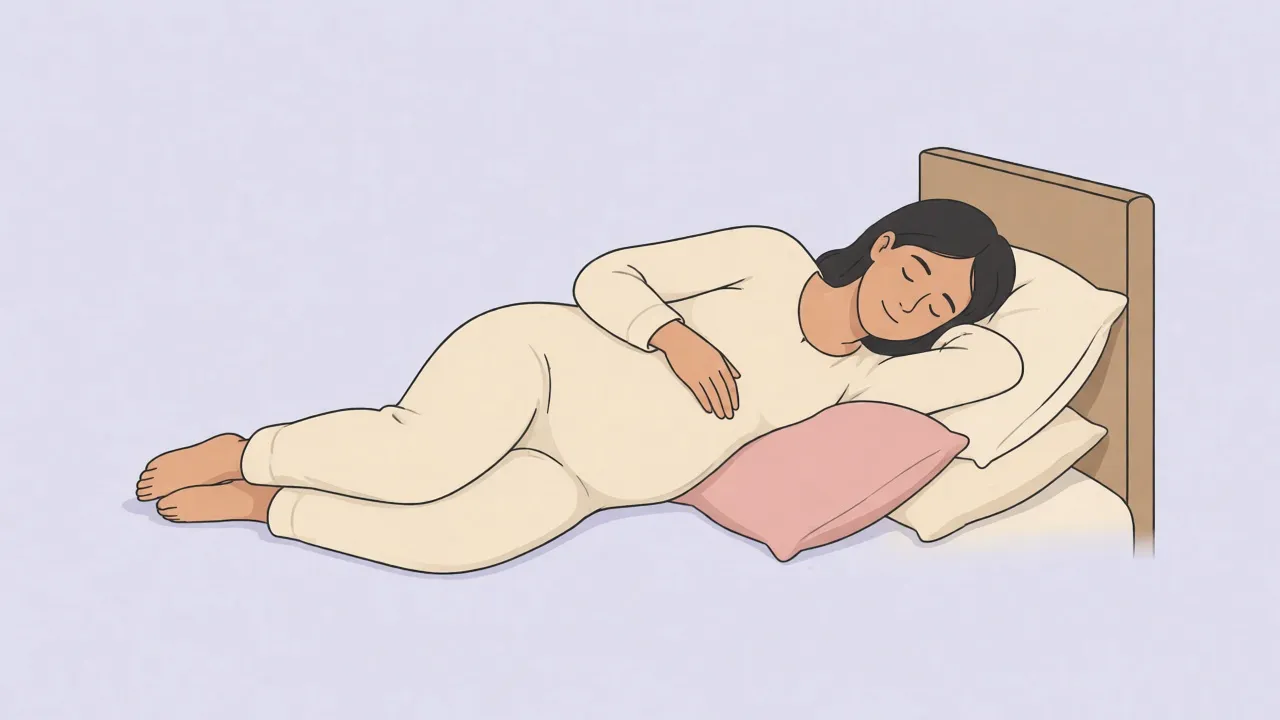
Sleeping on your side
Later in pregnancy, side sleeping is the position ACOG recommends for your back. Keep one or both knees bent. A pillow between your knees and another under your belly, or a full-length body pillow, makes that position easier to stay in 16. Either side counts. If your obstetric team has asked you to favor the left side, use that same setup: knees bent, pillows taking the weight of the belly. Side lying takes some pressure off your back while fiber and soaks do the slower work 416. More ways to get comfortable at night are in the best sleeping position for hemorrhoids.
When to call your obstetric provider
Call the office that is following your pregnancy, or go in the same day, for the problems below. Hemorrhoids are common in late pregnancy. These symptoms are not the ordinary version.
A hard, tender lump that shows up suddenly is often a clot in an external hemorrhoid. Warm soaks and a clinician-approved cream are reasonable while you wait for a callback. If the pain is severe, call the same day. Draining a clot is a time-sensitive choice, and the postpartum guide covers the version that starts during pushing.
Office procedures and surgery are usually postponed until after birth. A 2005 Cochrane review noted that many women’s symptoms settle after delivery, so corrective treatment is often deferred 10. Fiber, water, soaks, and short toilet sits are the plan for these weeks. Heavy bleeding, or a lump you cannot sit with, still needs a call. If home care has not helped and you are miserable, ask for an exam so you know whether this is a hemorrhoid, a fissure, or something that needs a different plan.

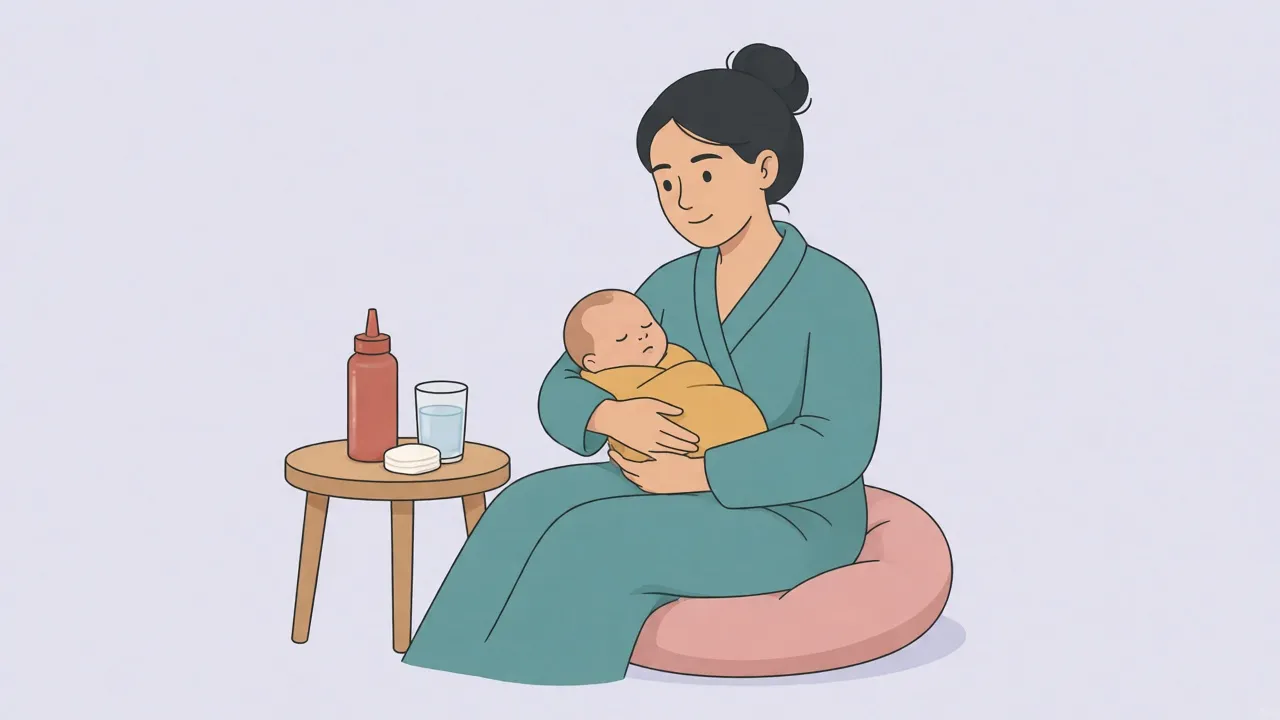
How to ease hemorrhoids after a vaginal birth or C-section, how long postpartum hemorrhoids last, and which treatments are safe while breastfeeding.
If bleeding, pain, or a lump would worry you even if you were not pregnant, the guide on when to see a doctor for hemorrhoids lists the same warning signs for any adult.
Every guide in pregnancy and postpartum
Frequently asked questions
Can I use a hemorrhoid cream while I am pregnant?
Ask your midwife, obstetrician, or pharmacist before you use one. The NHS says hydrocortisone creams, ointments, sprays, and suppositories for piles can be used in pregnancy because only a small amount reaches the blood. The same NHS page says not to use them for more than 7 days. If you are still sore after a week, get checked instead of starting another tube.
Will hemorrhoids affect labor or the baby?
Hemorrhoids are a local swelling. They are not a reason, by themselves, to change the plan for birth. Pushing for more than 20 minutes and a baby heavier than about 8 pounds 6 ounces were tied to new hemorrhoids and fissures in one study, and a cesarean does not fully prevent them. Your obstetric team already watches the length of pushing for other reasons.
Do pregnancy hemorrhoids go away after delivery?
Many ease in the weeks after birth, and clinicians often wait on procedures until then. A large share of new cases start during or just after the birth. In one exam study, about a third of the new anal problems started after delivery, and a later study found hemorrhoidal disease after delivery in about 35 percent of women. Home care still matters in those first weeks.
Is bright red blood on the toilet paper normal in pregnancy?
Bright red blood on the paper is a common hemorrhoid symptom, and pregnancy makes hemorrhoids more likely. It still deserves a mention to your obstetric provider, because other problems can bleed too. Heavy bleeding, clots, dizziness, or black stools need care the same day.
What can I take for constipation while pregnant?
Fiber has the clearest, if still small, trial evidence in pregnancy: one study found about two extra bowel movements a week. A Cochrane review found no pregnancy trials of stool softeners. Stimulant laxatives helped more than fiber laxatives in one trial, and they also caused more cramps and loose stools. Check with your obstetric provider before a laxative.
Is a warm bath safe for hemorrhoids in pregnancy?
A shallow warm soak, called a sitz bath, is a standard home step on the NIDDK hemorrhoid treatment page, and the NHS suggests a cloth wrung out in ice water for pain. Test the water with your wrist so it is warm, not hot. In the largest pregnancy comparison, soaks three times a day were part of the plan that healed more women than cream.
Sources
- 1. Poskus T, Buzinskienė D, Drasutiene G, et al. Haemorrhoids and anal fissures during pregnancy and after childbirth: a prospective cohort study . BJOG , 2014 ; 121(13):1666-1671 . doi:10.1111/1471-0528.12838 Study
- 2. Ferdinande K, Dorreman Y, Roelens K, et al. Anorectal symptoms during pregnancy and postpartum: a prospective cohort study . Colorectal Dis , 2018 ; 20(12):1109-1116 . doi:10.1111/codi.14324 Study
- 3. Piles in pregnancy . NHS . Government
- 4. Problems of the Digestive System (patient FAQ) . American College of Obstetricians and Gynecologists . Guideline
- 5. Sabonyte-Balsaitiene Z, Poskus T, Jasiunas E, et al. Incidence and Risk Factors of Perianal Pathology during Pregnancy and Postpartum Period: A Prospective Cohort Study . J Clin Med , 2024 ; 13(8):2371 . doi:10.3390/jcm13082371 Study
- 6. Rungsiprakarn P, Laopaiboon M, Sangkomkamhang US, et al. Interventions for treating constipation in pregnancy . Cochrane Database Syst Rev , 2015 ; (9):CD011448 . doi:10.1002/14651858.CD011448.pub2 Cochrane review
- 7. Alonso-Coello P, Mills E, Heels-Ansdell D, et al. Fiber for the treatment of hemorrhoids complications: a systematic review and meta-analysis . Am J Gastroenterol , 2006 ; 101(1):181-188 . doi:10.1111/j.1572-0241.2005.00359.x Review
- 8. Shirah BH, Shirah HA, Fallata AH, et al. Hemorrhoids during pregnancy: Sitz bath vs. ano-rectal cream: A comparative prospective study of two conservative treatment protocols . Women Birth , 2018 ; 31(4):e272-e277 . doi:10.1016/j.wombi.2017.10.003 Study
- 9. Buckshee K, Takkar D, Aggarwal N Micronized flavonoid therapy in internal hemorrhoids of pregnancy . Int J Gynaecol Obstet , 1997 ; 57(2):145-151 . doi:10.1016/s0020-7292(97)02889-0 Clinical trial
- 10. Quijano CE, Abalos E Conservative management of symptomatic and/or complicated haemorrhoids in pregnancy and the puerperium . Cochrane Database Syst Rev , 2005 ; (3):CD004077 . doi:10.1002/14651858.CD004077.pub2 Cochrane review
- 11. Lim SS, Yu CW, Aw LD Comparing topical hydrocortisone cream with Hai's Perianal Support in managing symptomatic hemorrhoids in pregnancy: a preliminary trial . J Obstet Gynaecol Res , 2015 ; 41(2):238-247 . doi:10.1111/jog.12523 Clinical trial
- 12. How and when to use hydrocortisone for piles and itchy bottom . NHS , 2023 ; Page last reviewed 22 December 2023 . Government
- 13. Pregnancy, breastfeeding and fertility while using hydrocortisone for piles and itchy bottom . NHS , 2023 ; Page last reviewed 22 December 2023 . Government
- 14. Ebrahimi N, Vohra S, Gedeon C, et al. The fetal safety of hydrocortisone-pramoxine (Proctofoam-HC) for the treatment of hemorrhoids in late pregnancy . J Obstet Gynaecol Can , 2011 ; 33(2):153-158 . doi:10.1016/S1701-2163(16)34802-2 Study
- 15. Treatment of Hemorrhoids . National Institute of Diabetes and Digestive and Kidney Diseases (NIDDK) . Government
- 16. Back Pain During Pregnancy . American College of Obstetricians and Gynecologists , 2025 ; FAQ115. Published May 2020, last reviewed October 2025 . Guideline
- 17. Eating, Diet, & Nutrition for Constipation . National Institute of Diabetes and Digestive and Kidney Diseases (NIDDK) . Government
- 18. Institute of Medicine Dietary Reference Intakes for Energy, Carbohydrate, Fiber, Fat, Fatty Acids, Cholesterol, Protein, and Amino Acids . The National Academies Press , 2005 . Government